Hearts Broken Open is a rich trove of multimedia resources for living a wholehearted life. Our world is a dangerous place, hazardous to our health, safety, and emotional well-being. Our first impulse is to armor ourselves against its many threats, avoiding contact with all but a few trusted family or friends, and often not even them. But we do so at a fearful cost to our own well-being and often with great harm to others. Trapped in prisons of our own making, we languish in loneliness and starve for lack of love.
But there is another way, no less hazardous but far more rewarding. We can open to life's full range of experience, embrace it whole, and cultivate the emotional and practical resilience to transcend whatever challenges come our way. Heartfulness takes more courage than cynicism, but it gains strength from its nourishing connections to the wider world. Hearts Broken Open explores the experience of living with an open heart. Cherishing life, one comes to taste the sweetness of being here with and for others in a broken-hearted but still wondrous world.
Now Available as Paperback & e-book

Cherish is a different kind of war story. Instead of blowing things up, it describes what happens when everything shuts down. World War III begins with a massive global power outage that paralyzes communications, supply chains, transportation, water systems and food production. Viewed from a small college town in rural Iowa, this is an emotionally complex drama of the best and worst aspects of humanity under extreme duress. We either survive and thrive together or we die alone in fearful isolation.
Includes an Afterword, Resource and Discussion Guides to test your community’s resilience.
Some men see things as they are and ask, “Why?”
I dream things that never were and ask, “Why Not?”
George Bernard Shaw, Back to Methuselah
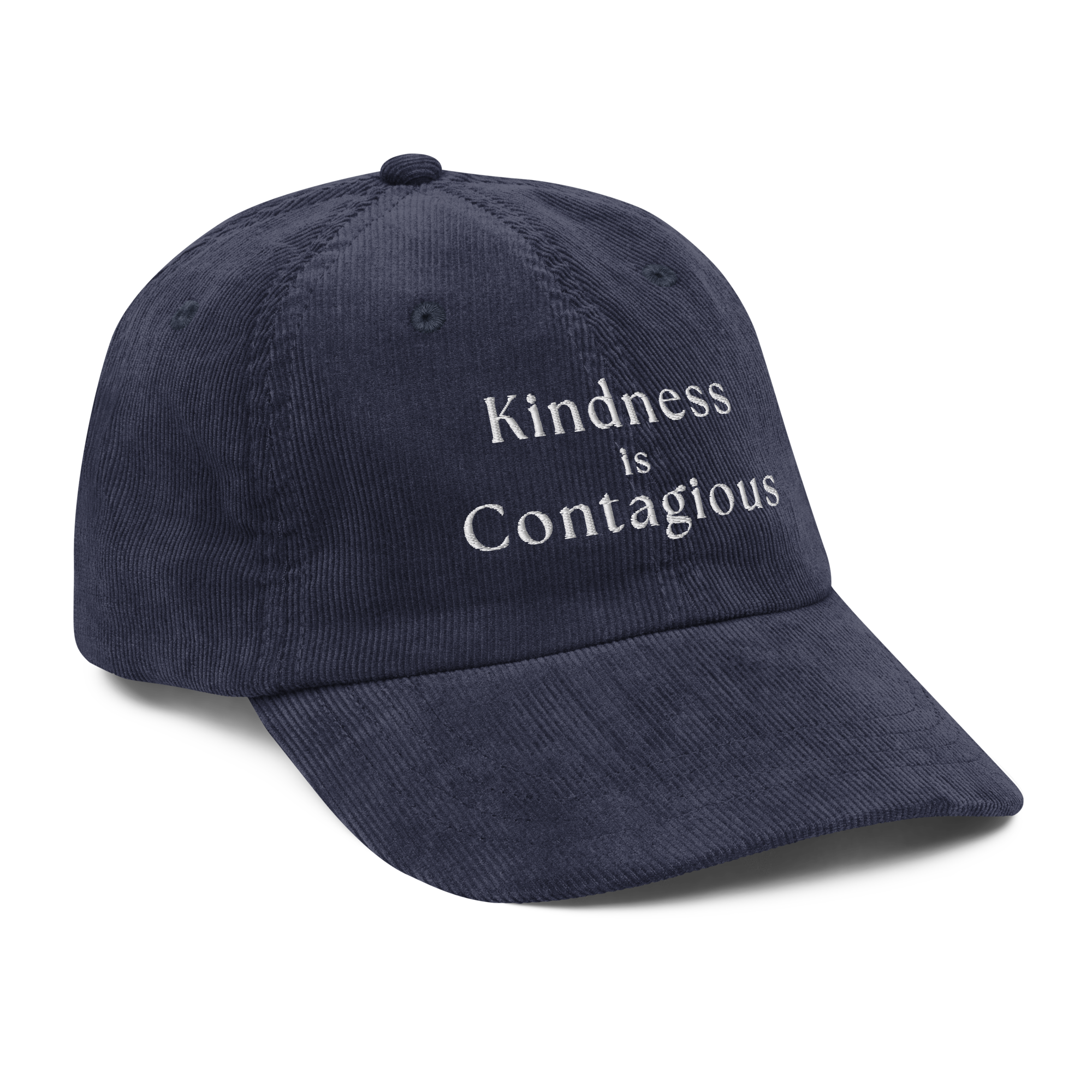
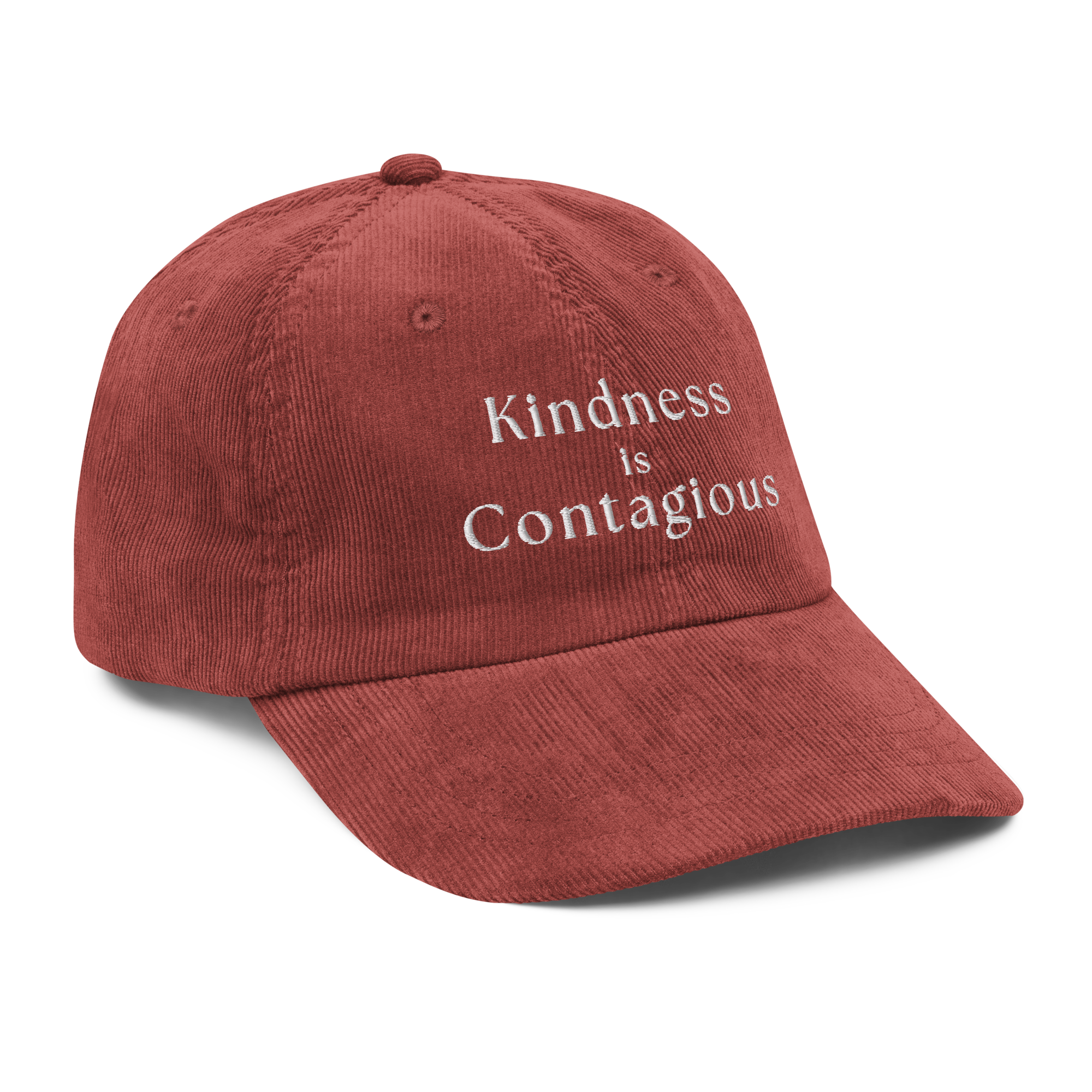
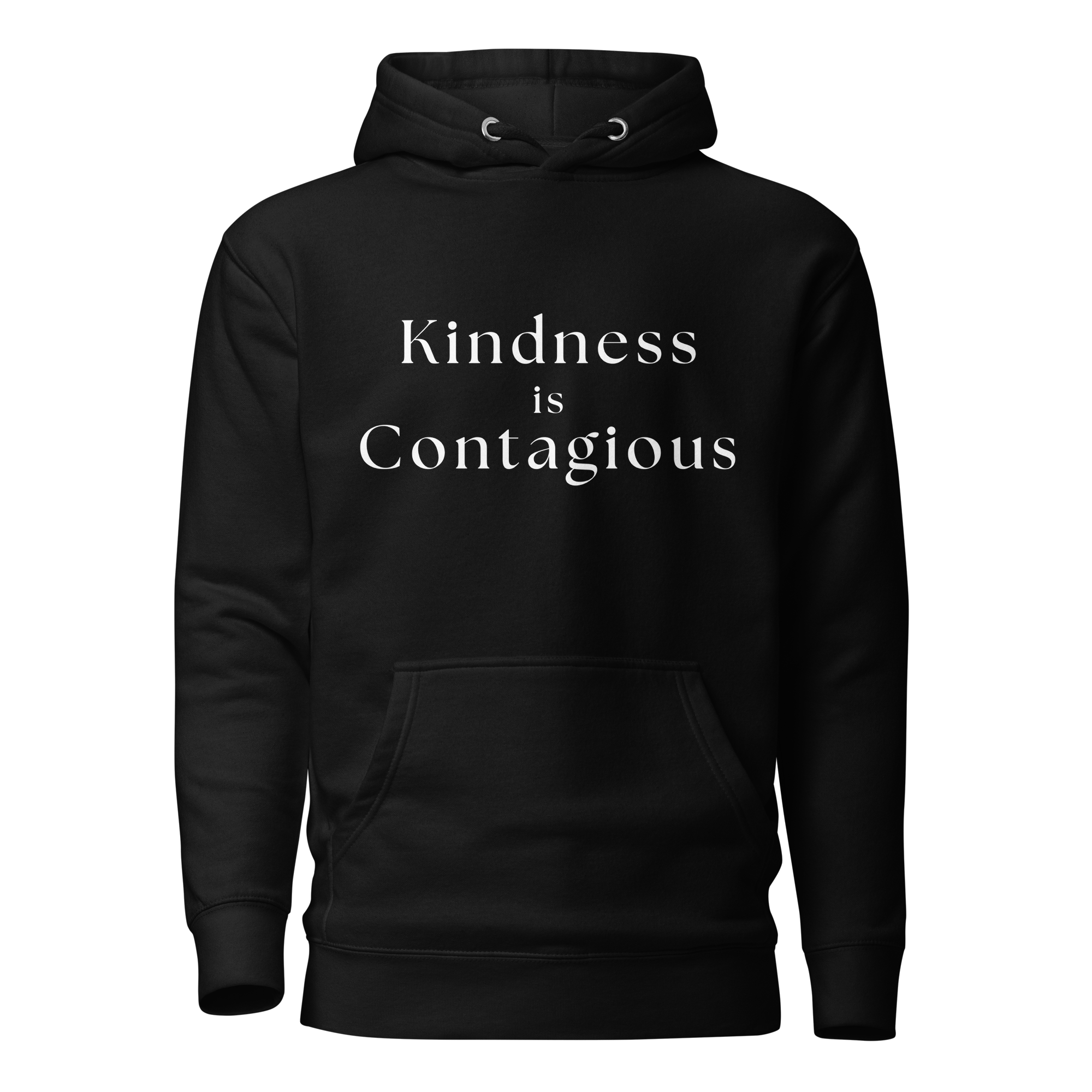
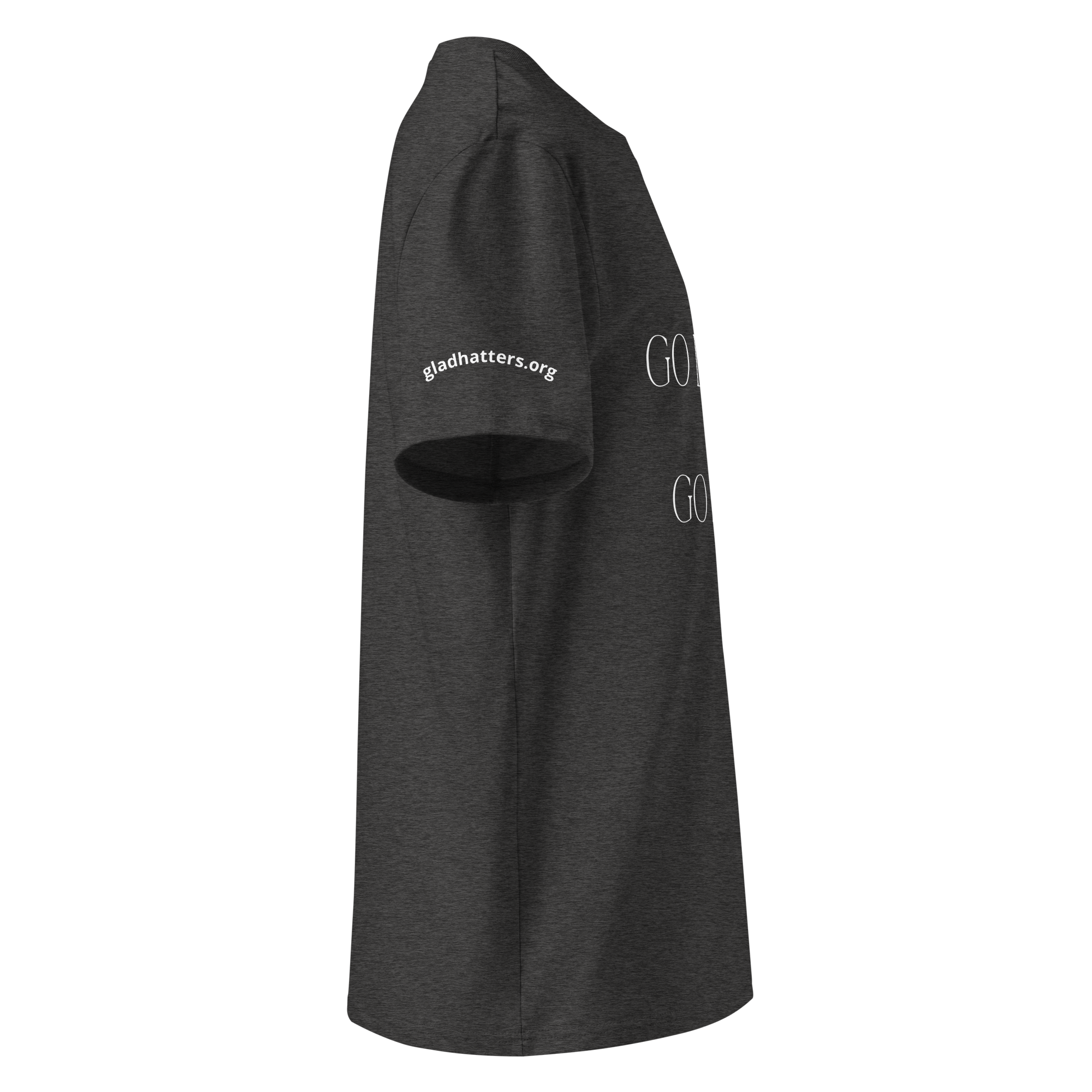
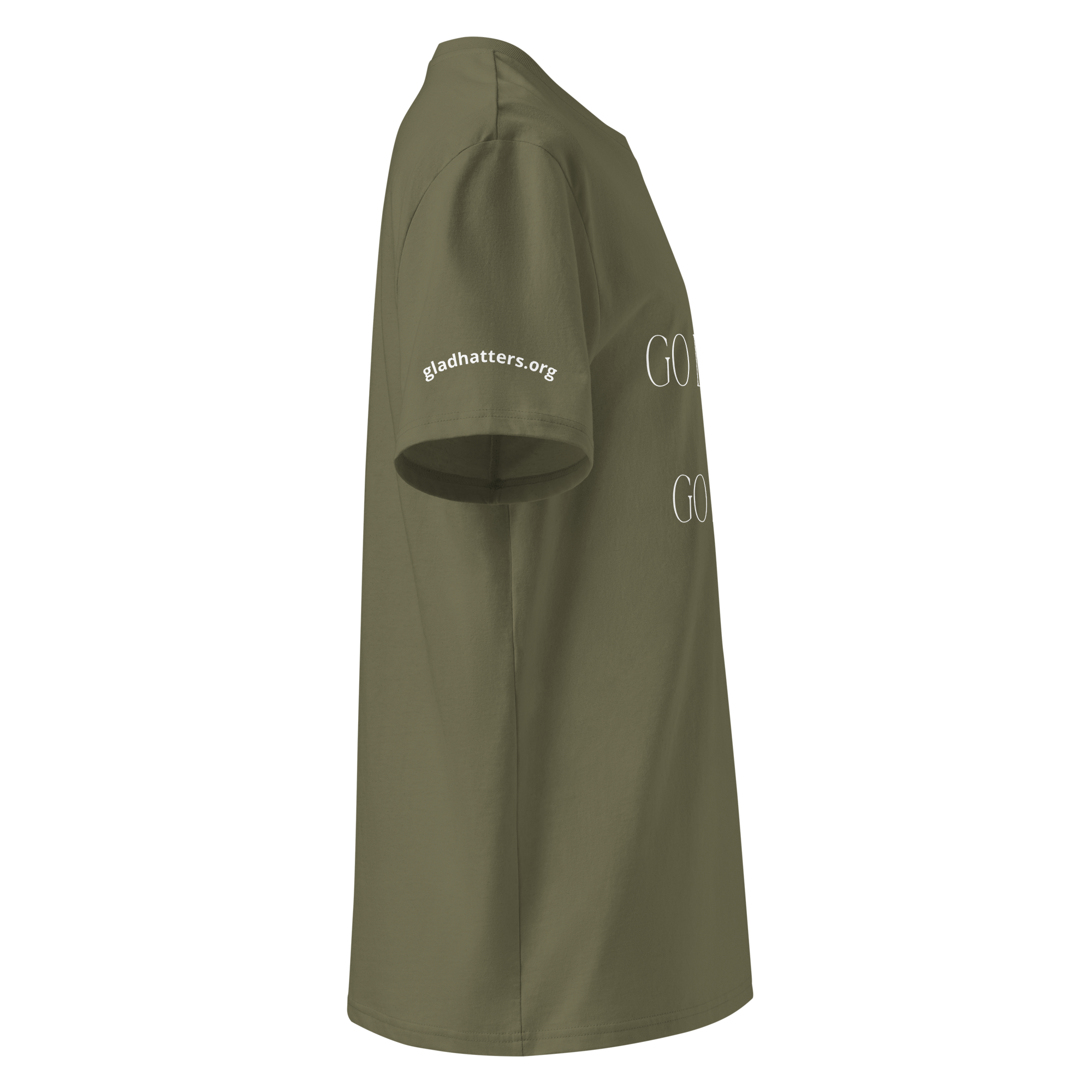
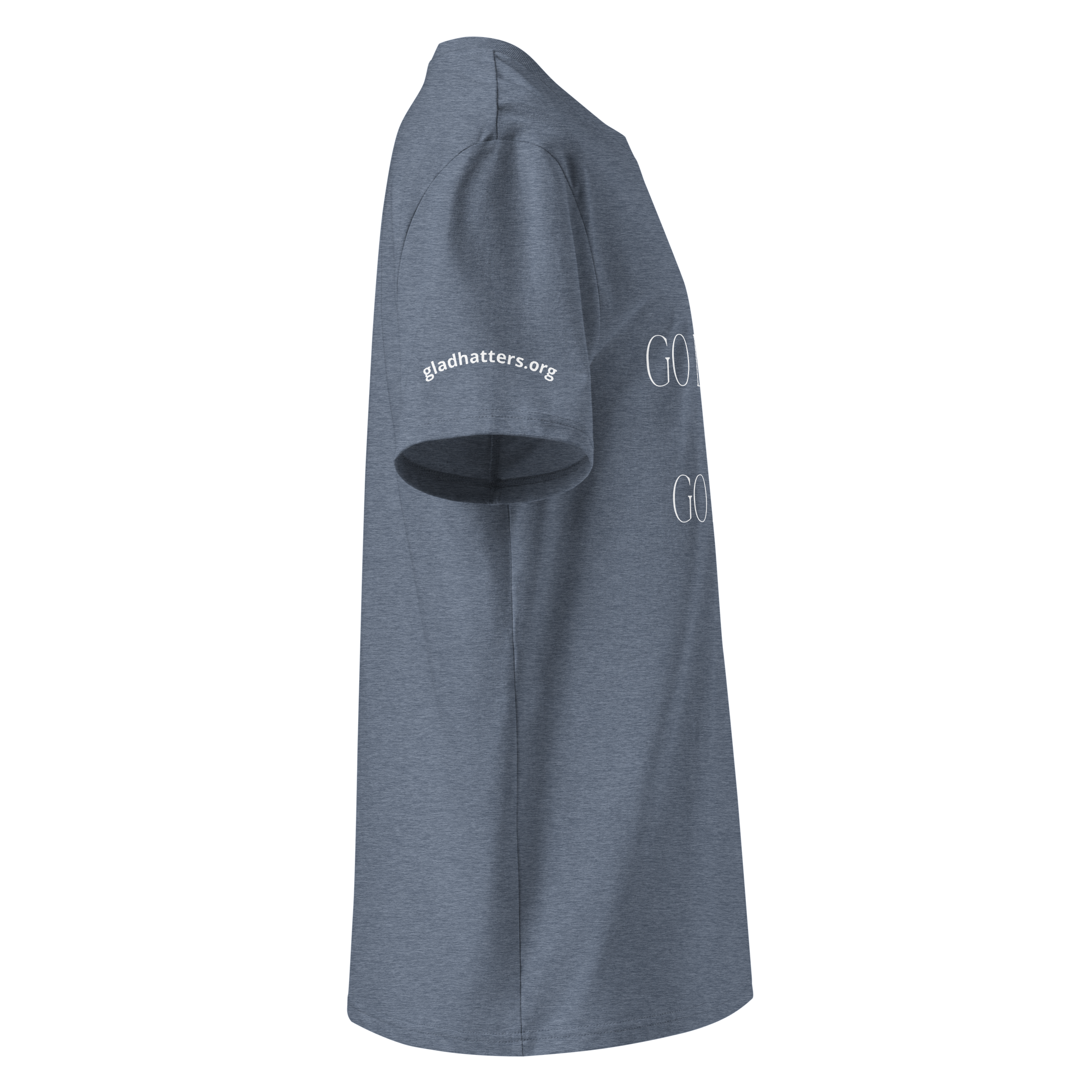
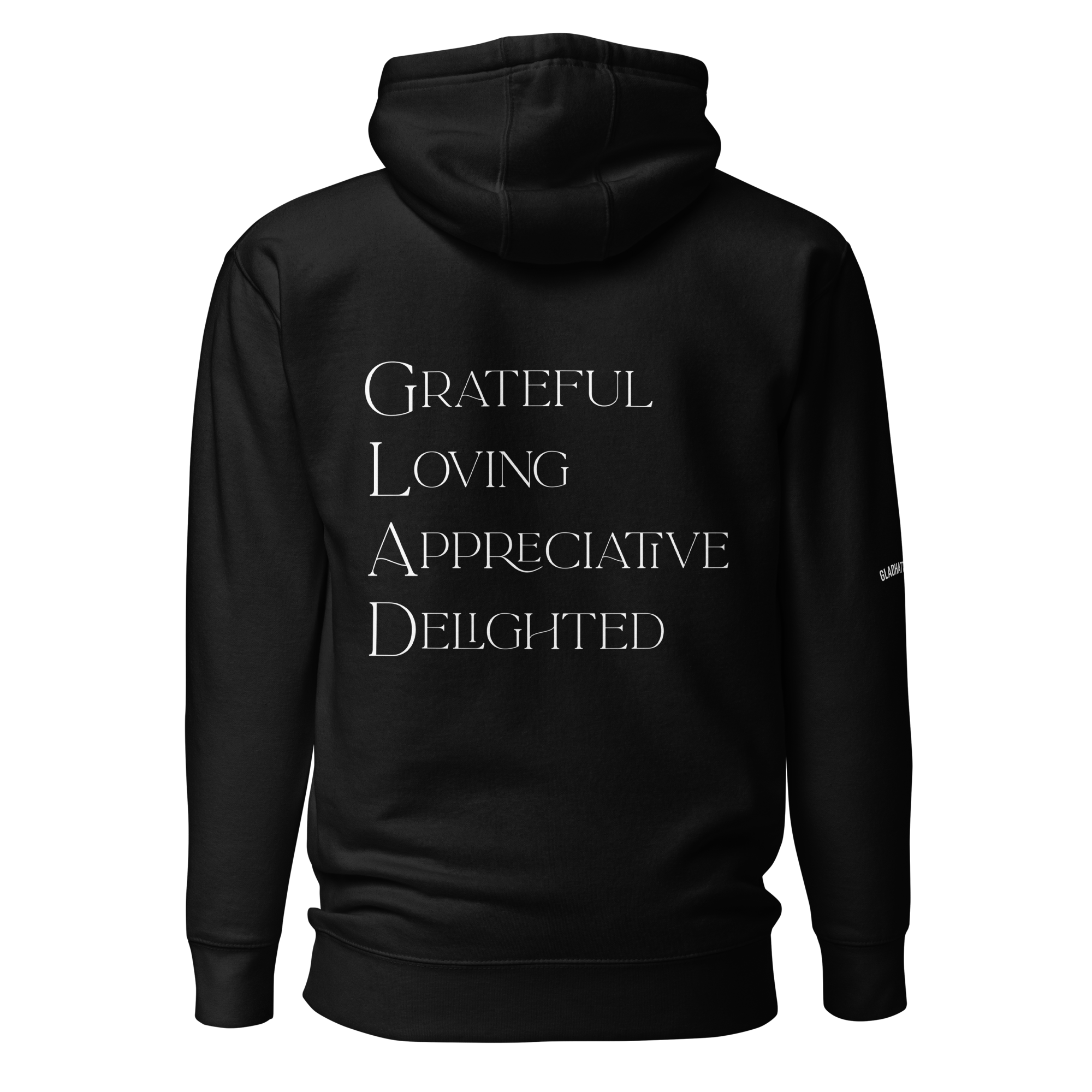
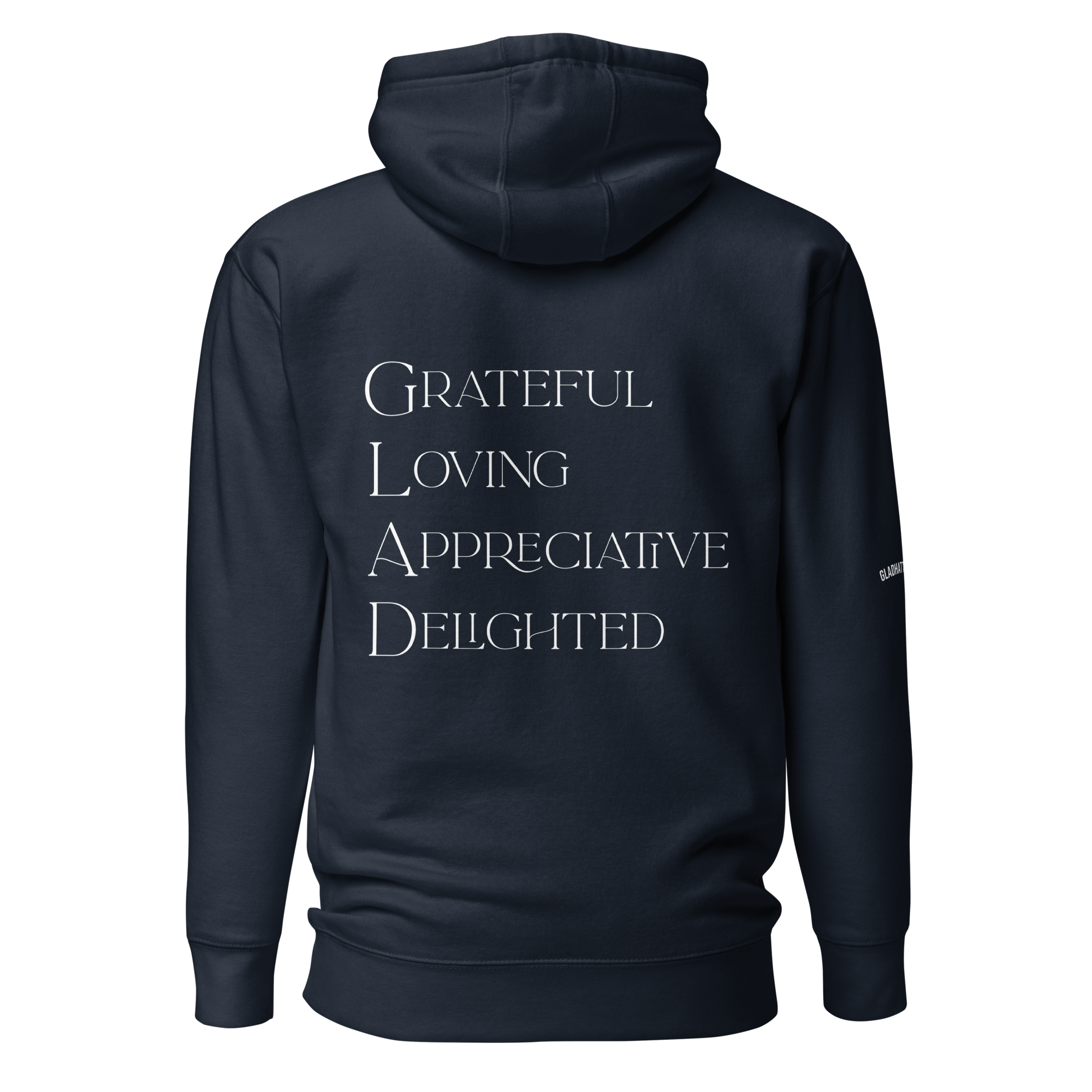
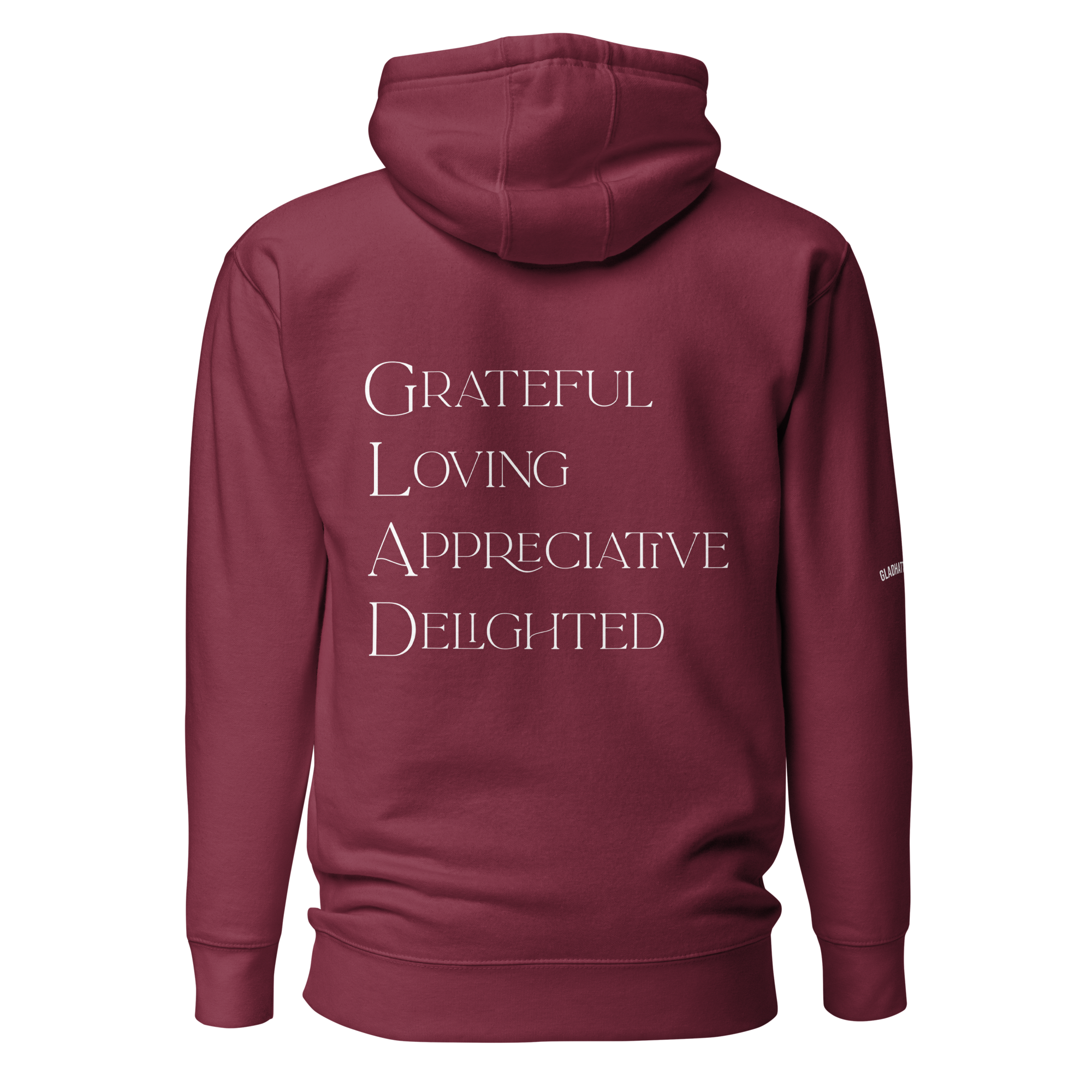
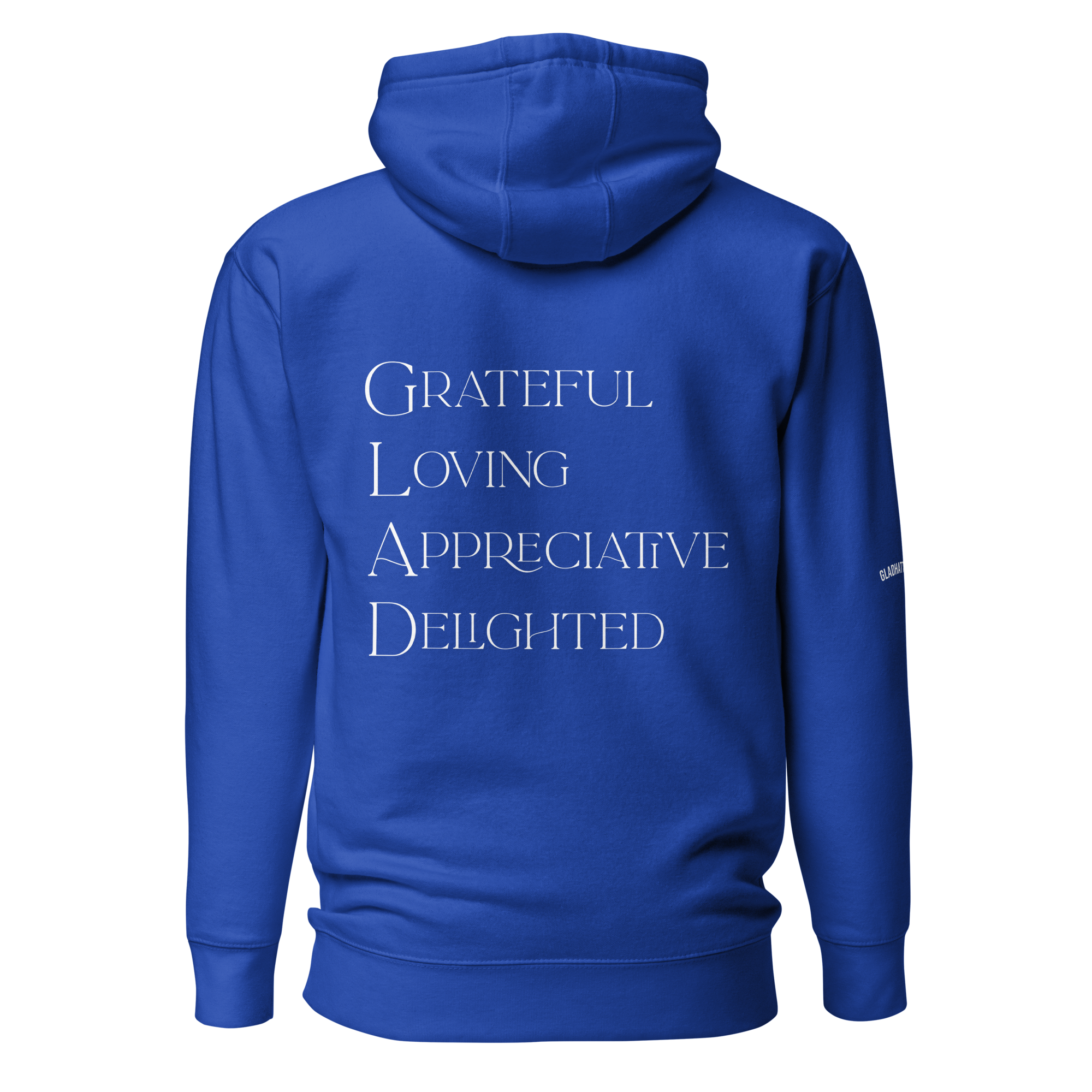
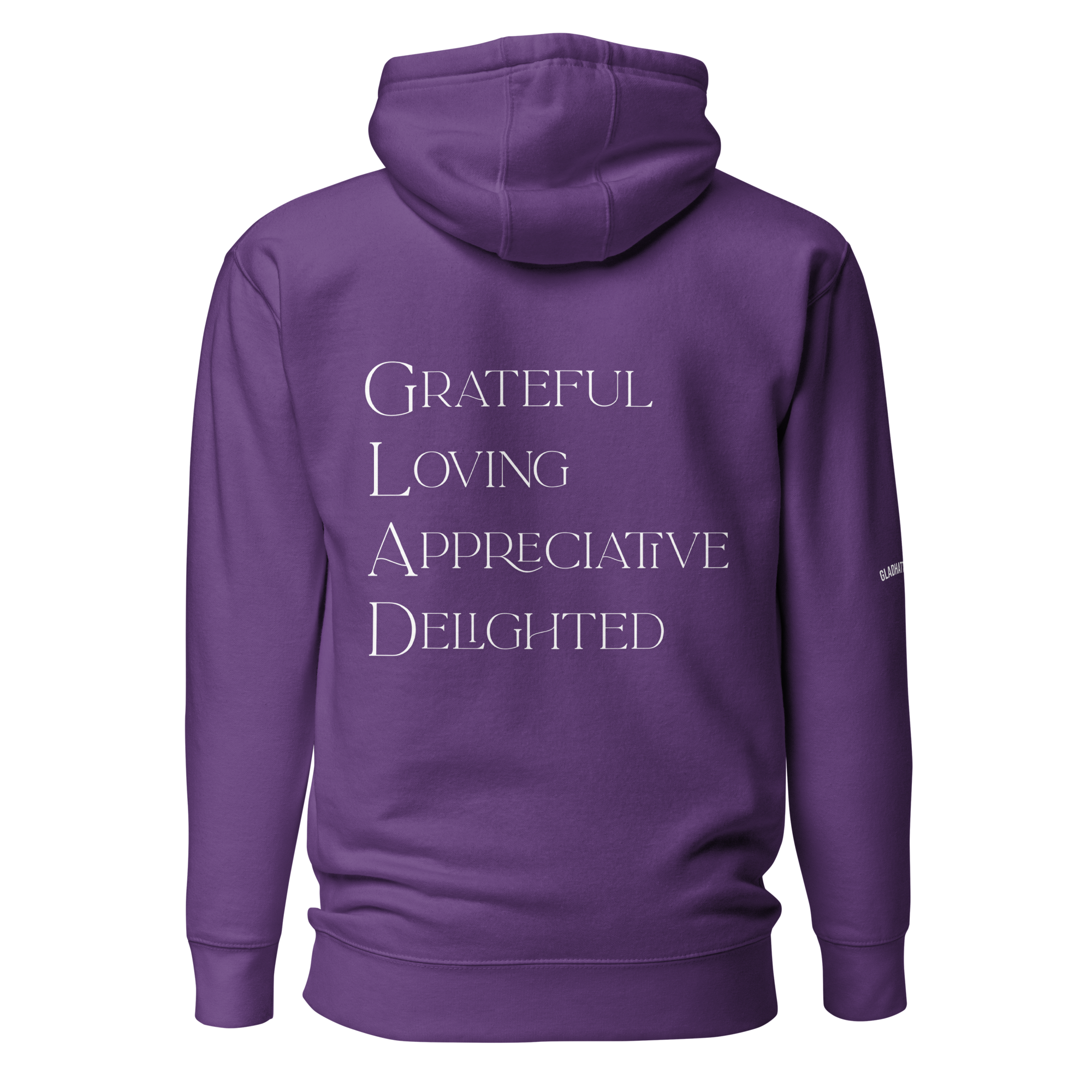
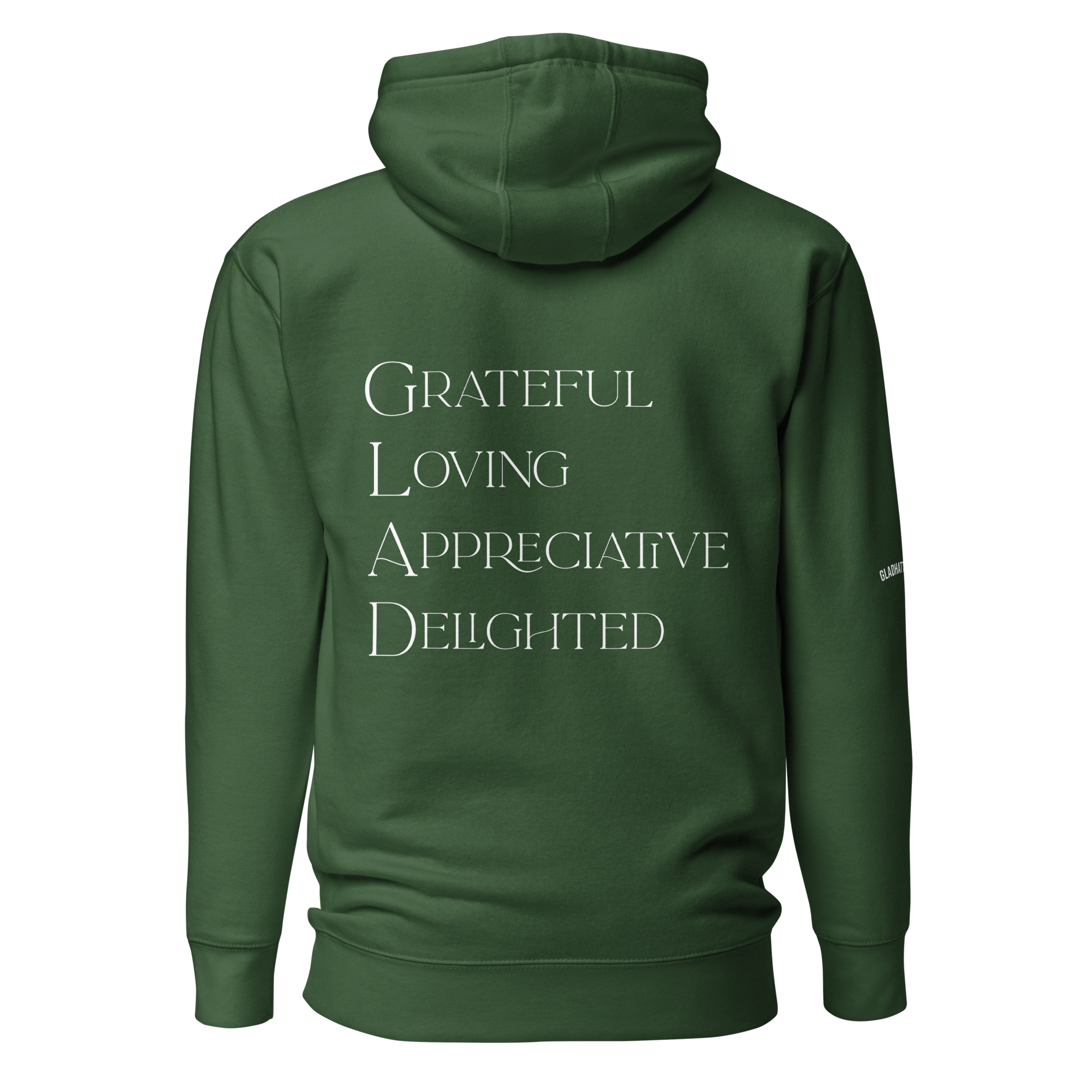
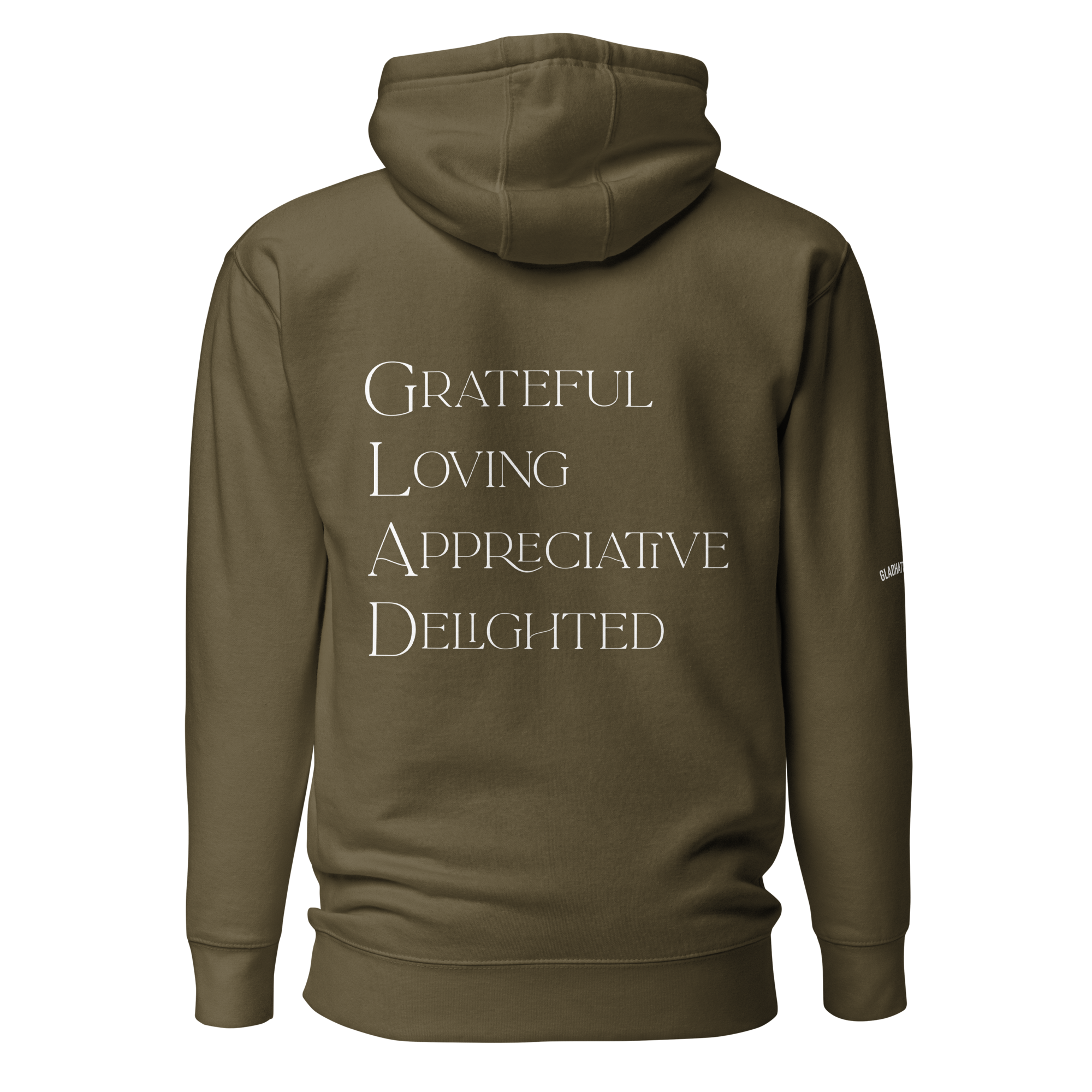
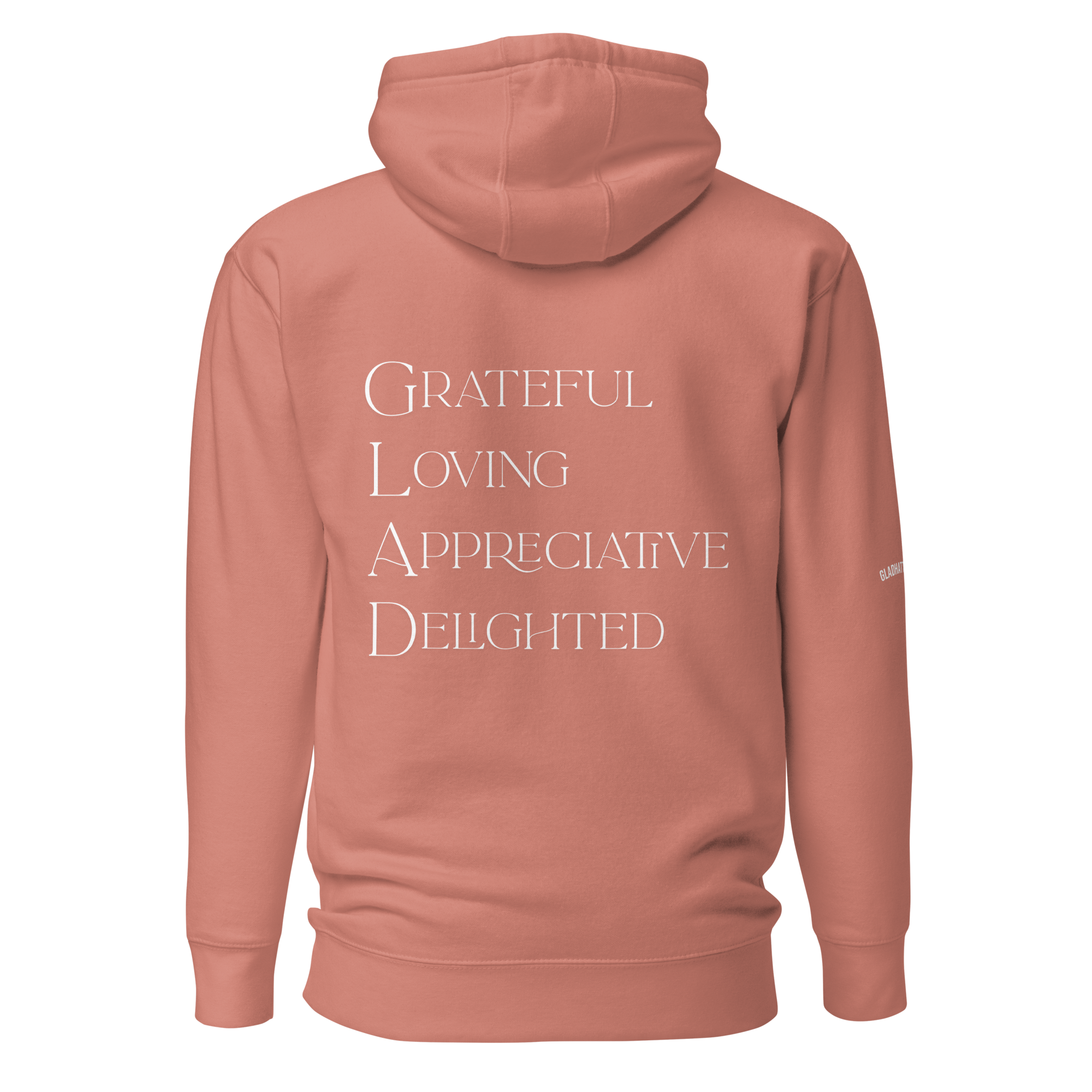
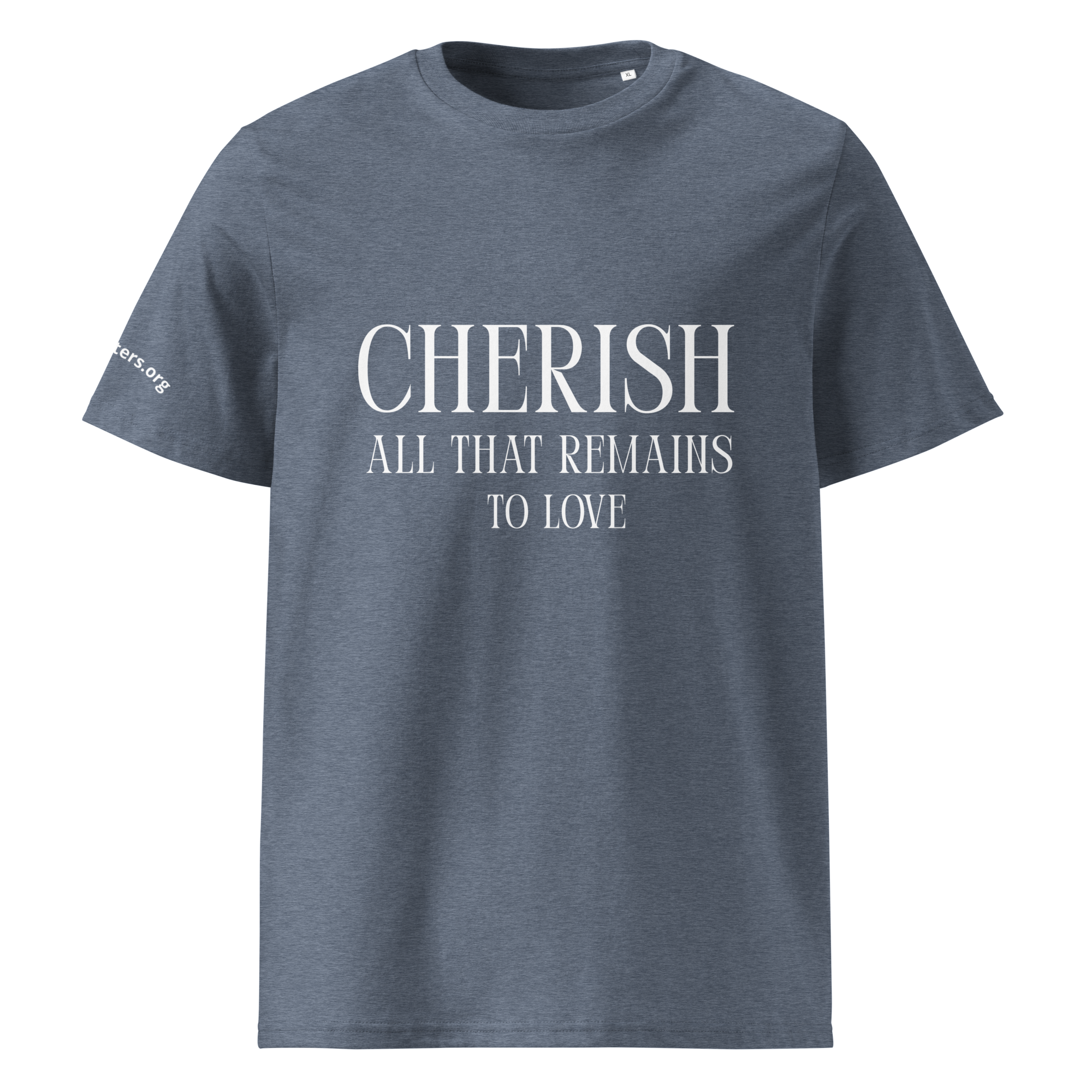
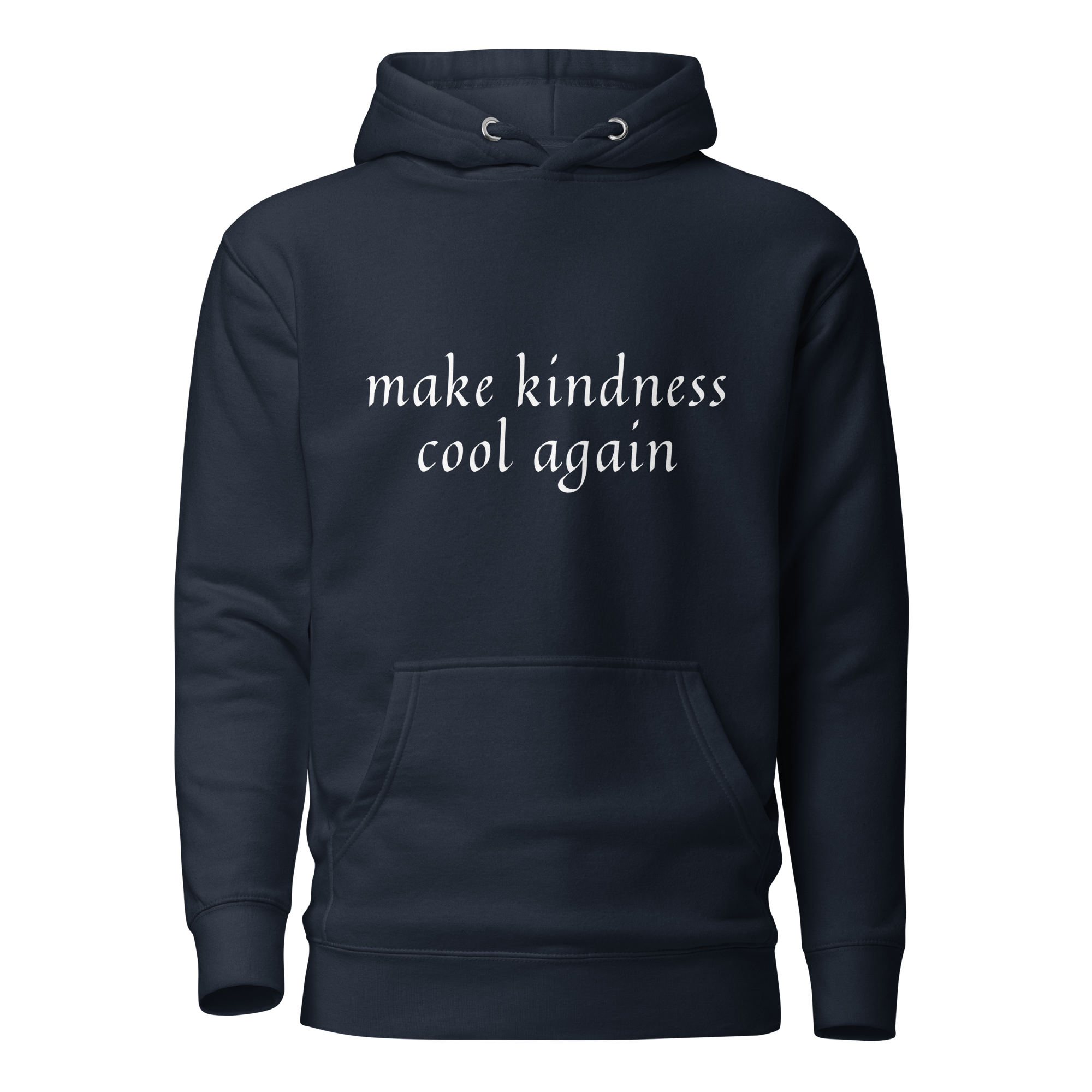
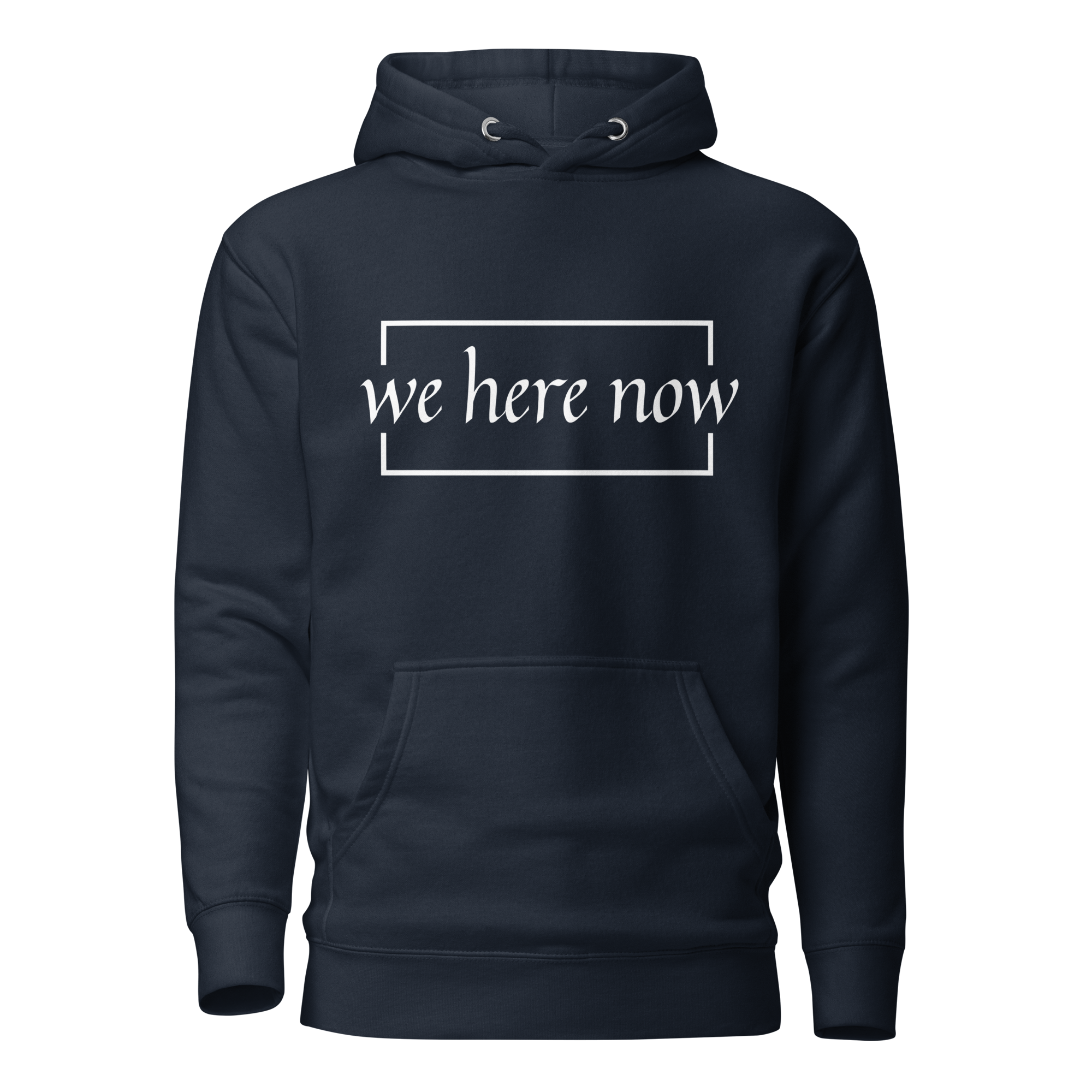
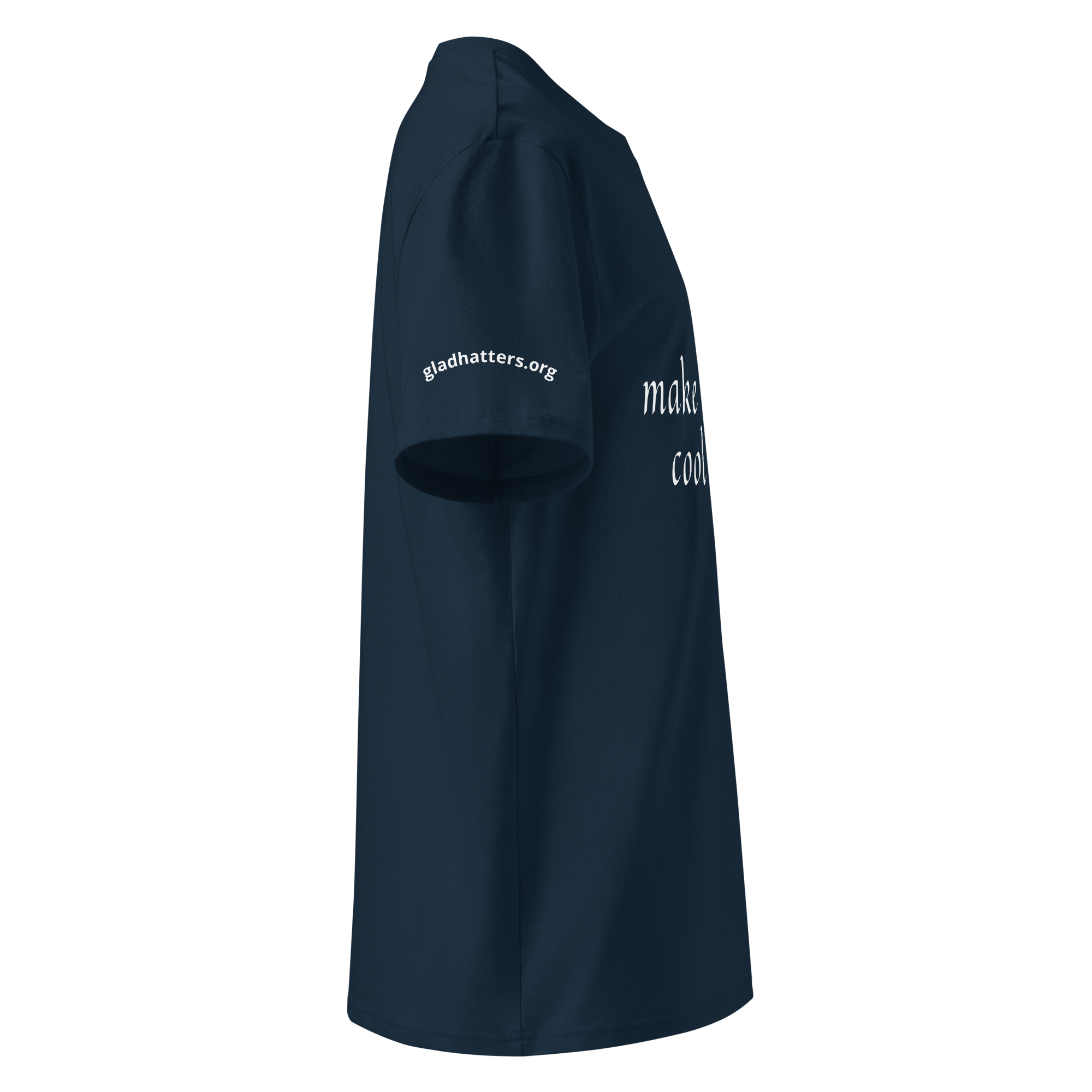
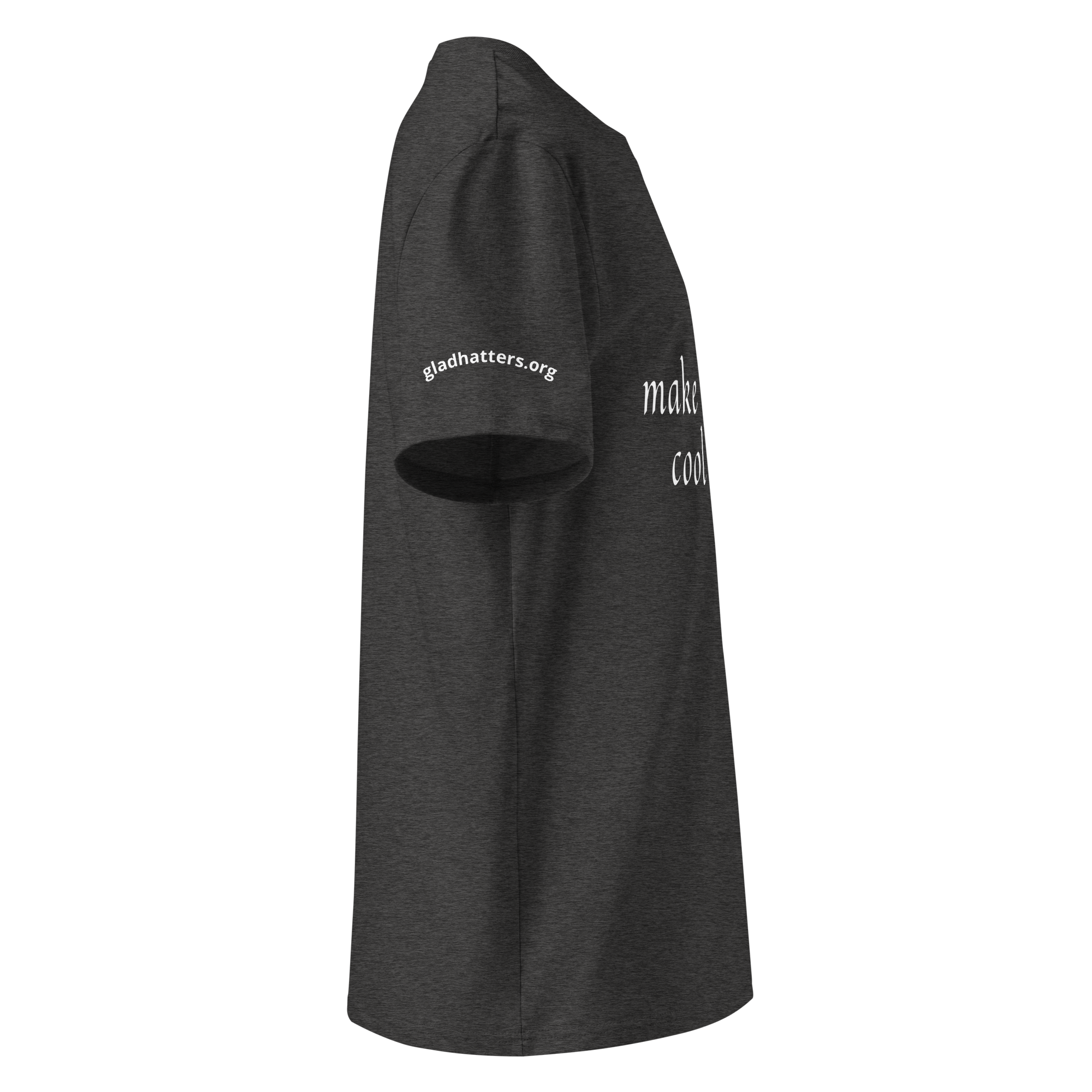
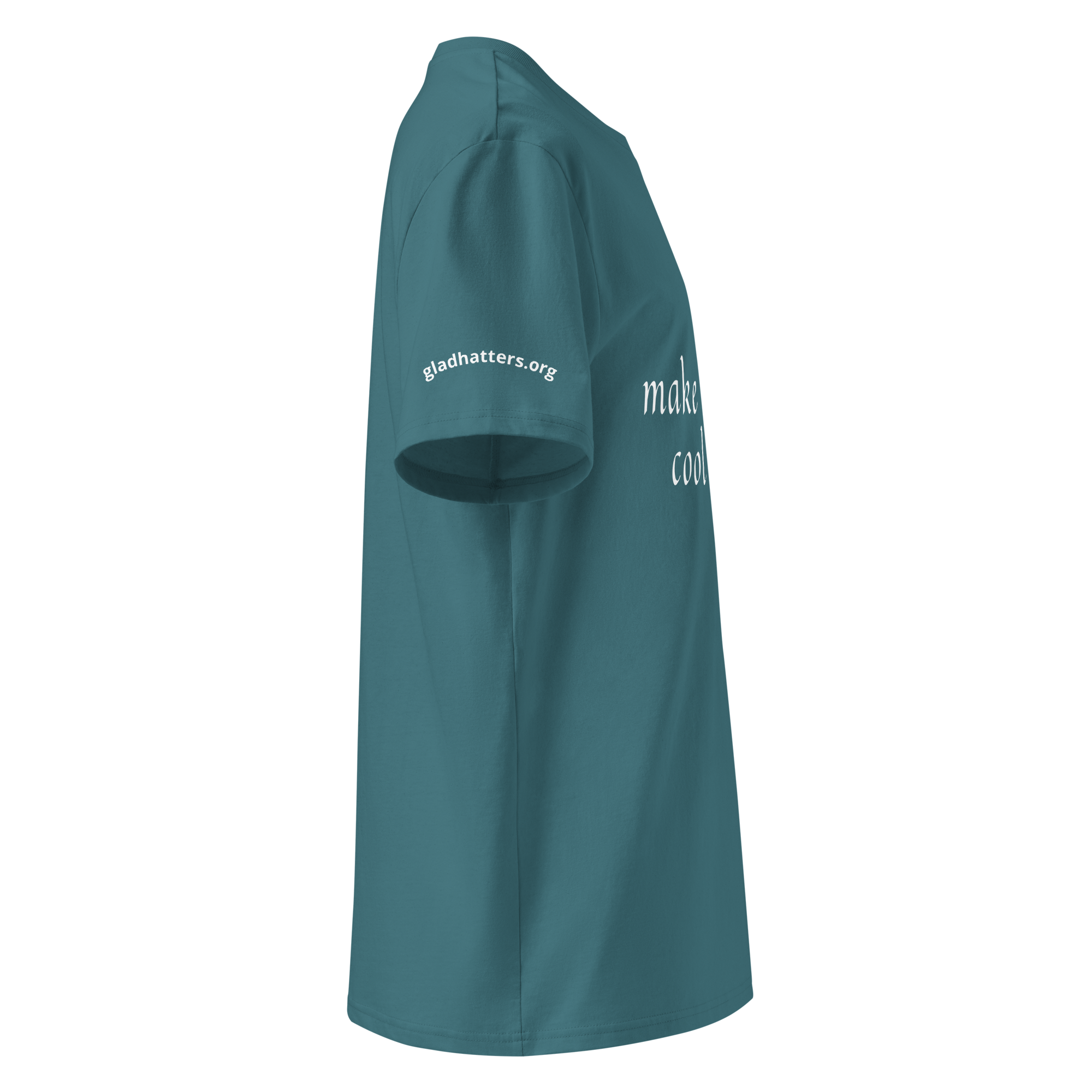
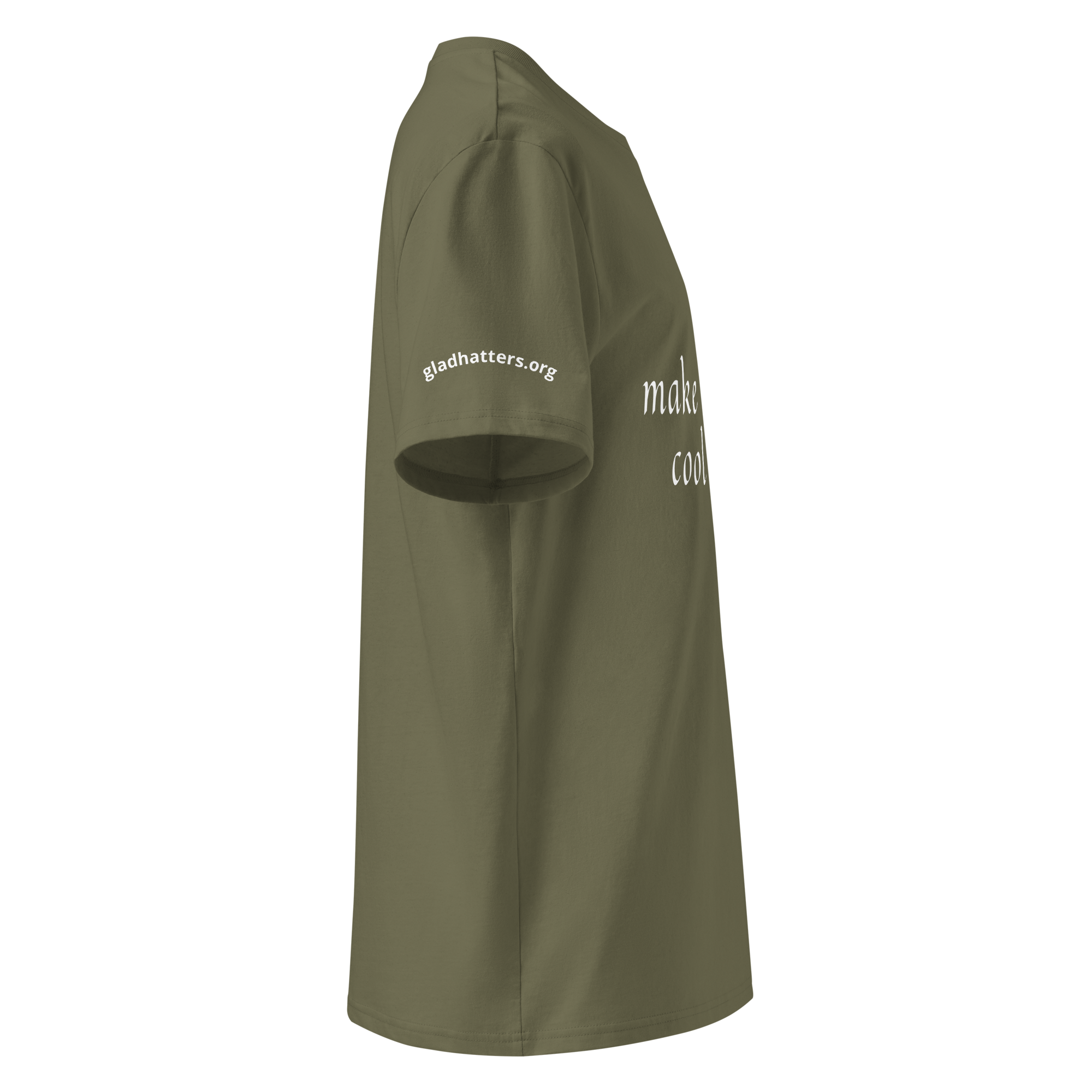
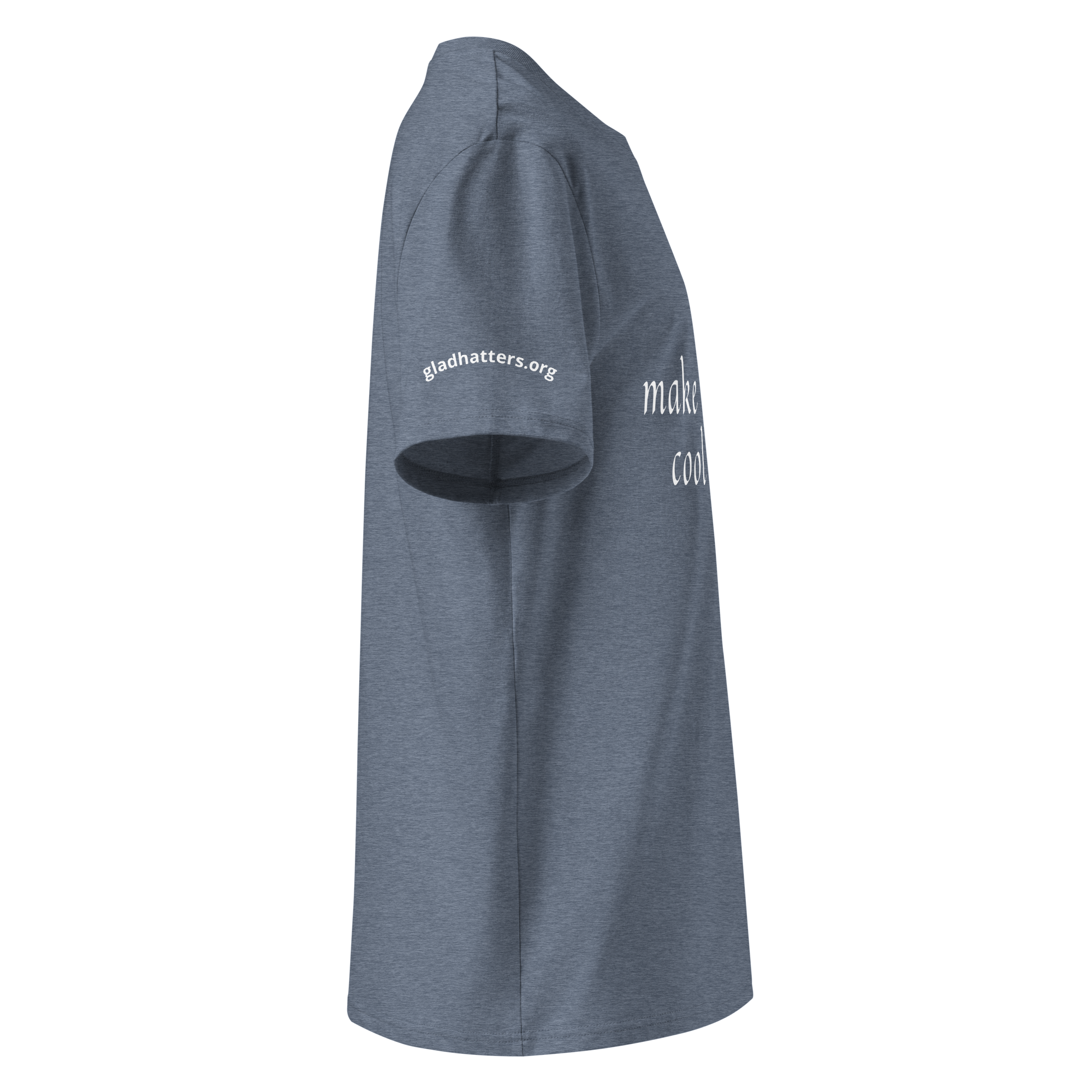
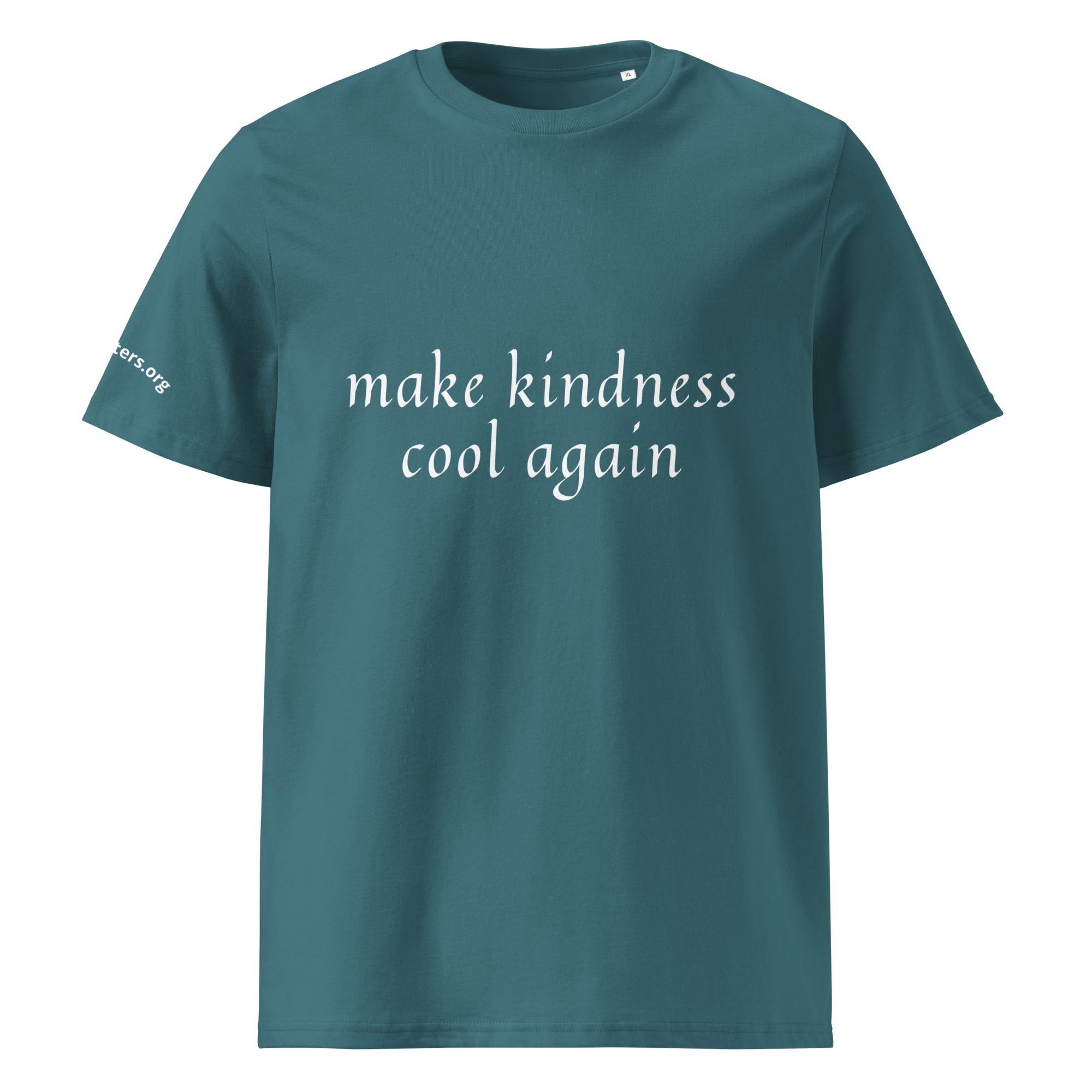
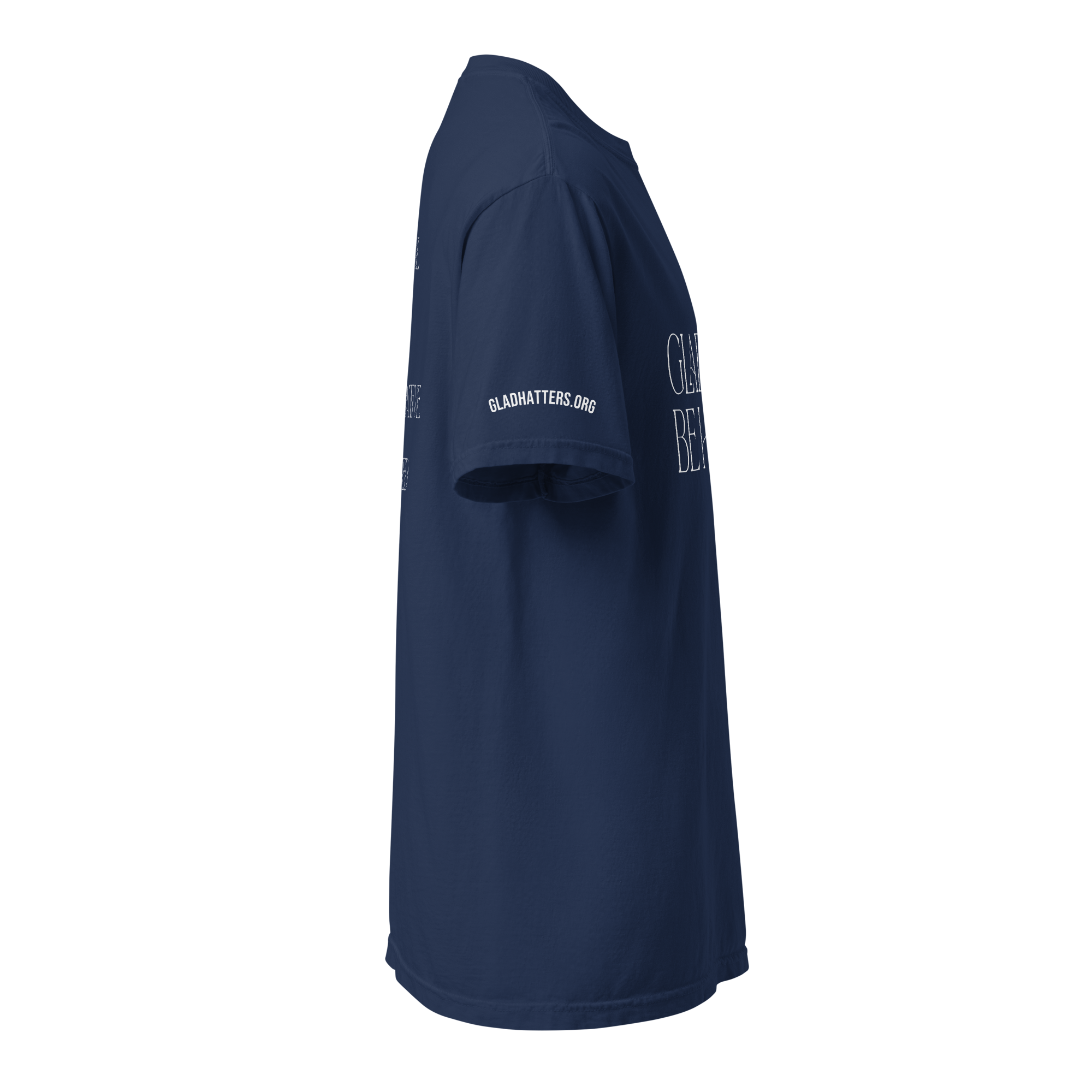
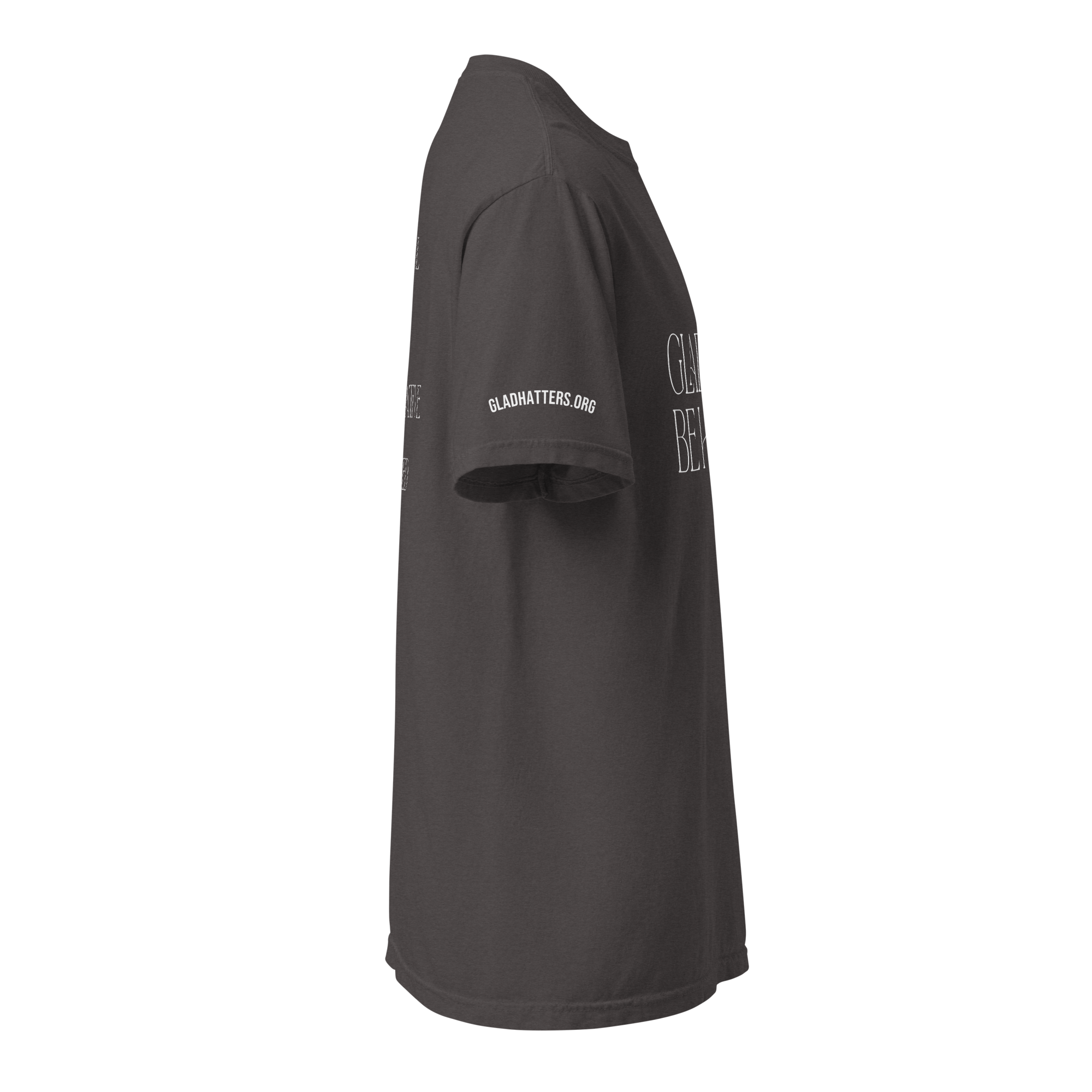
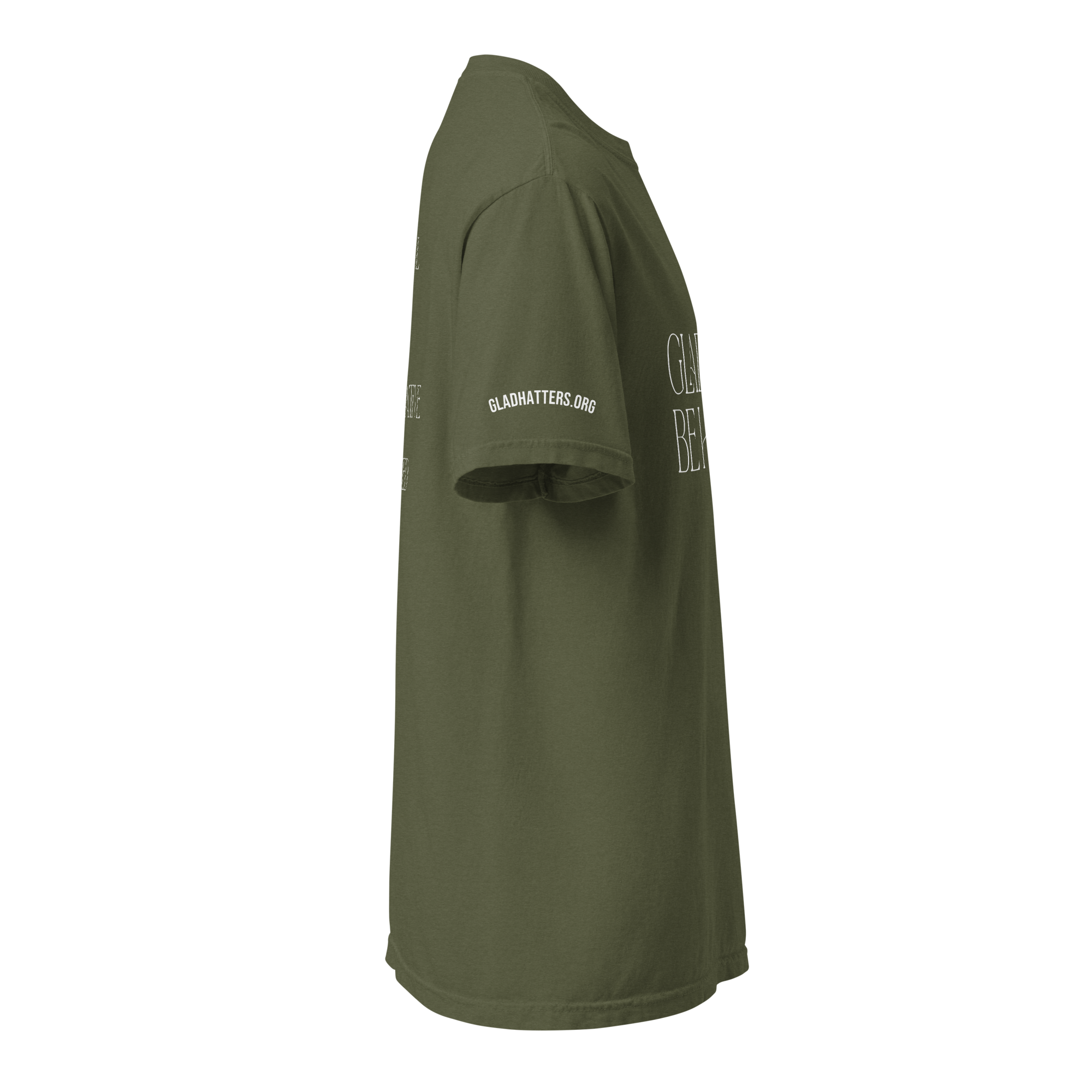
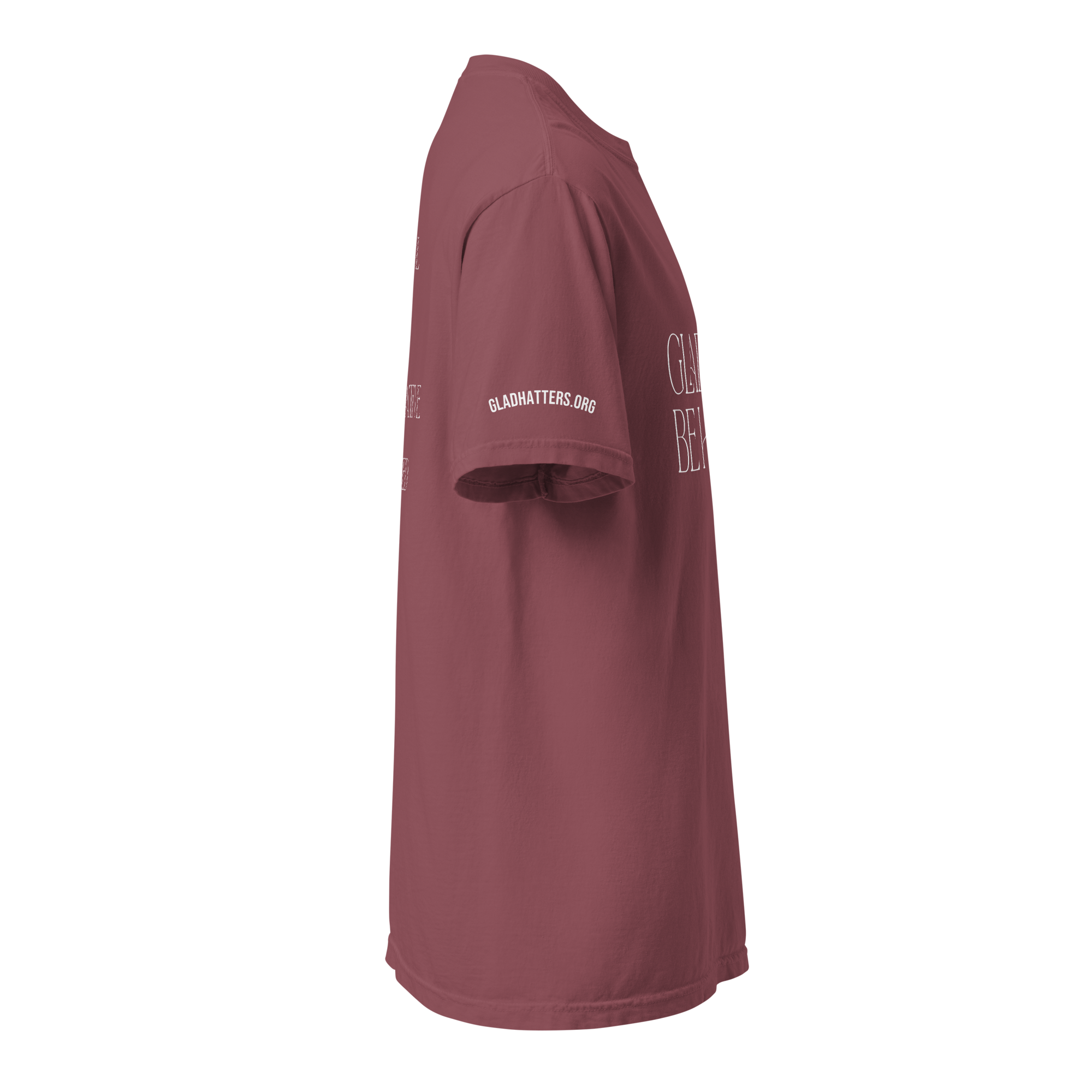
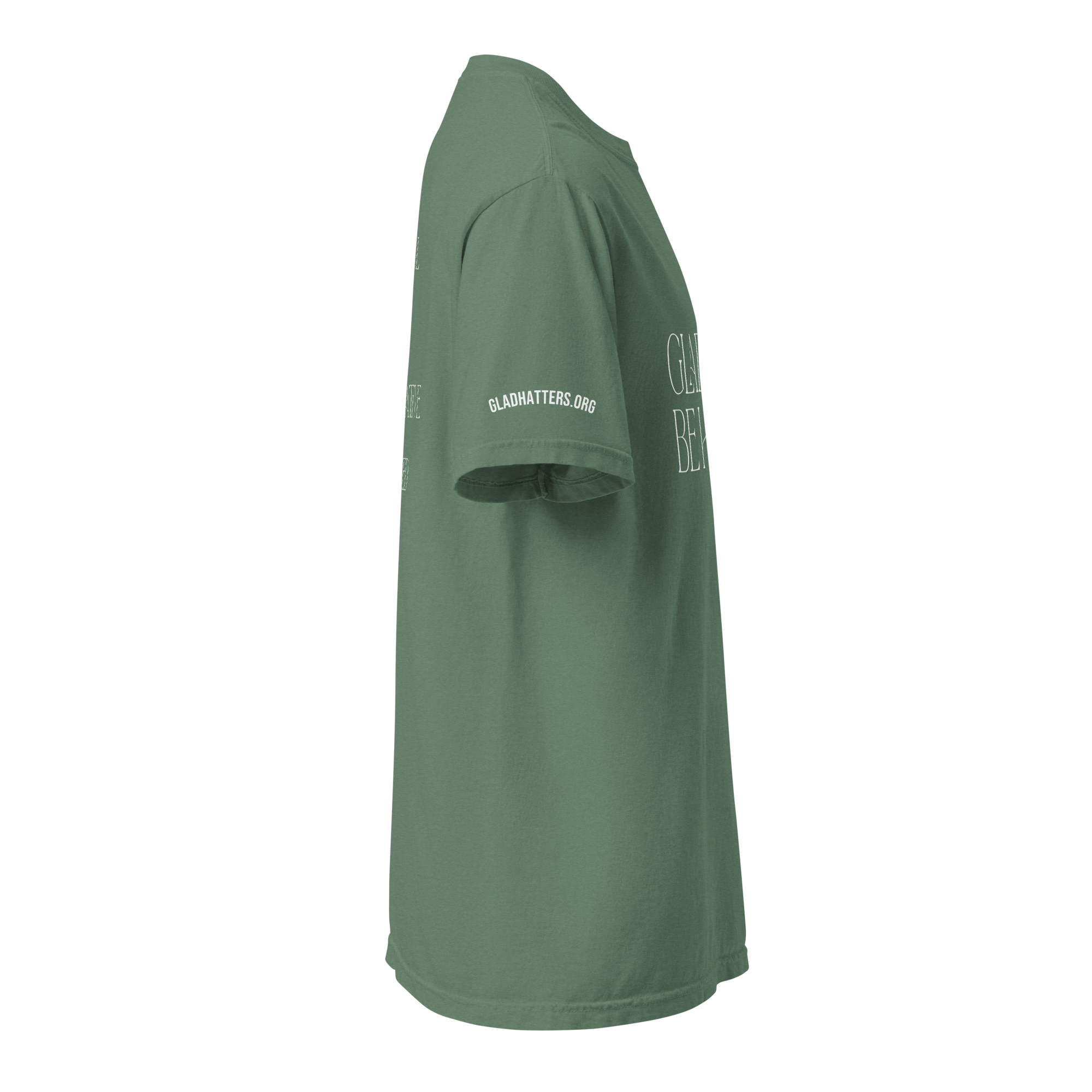
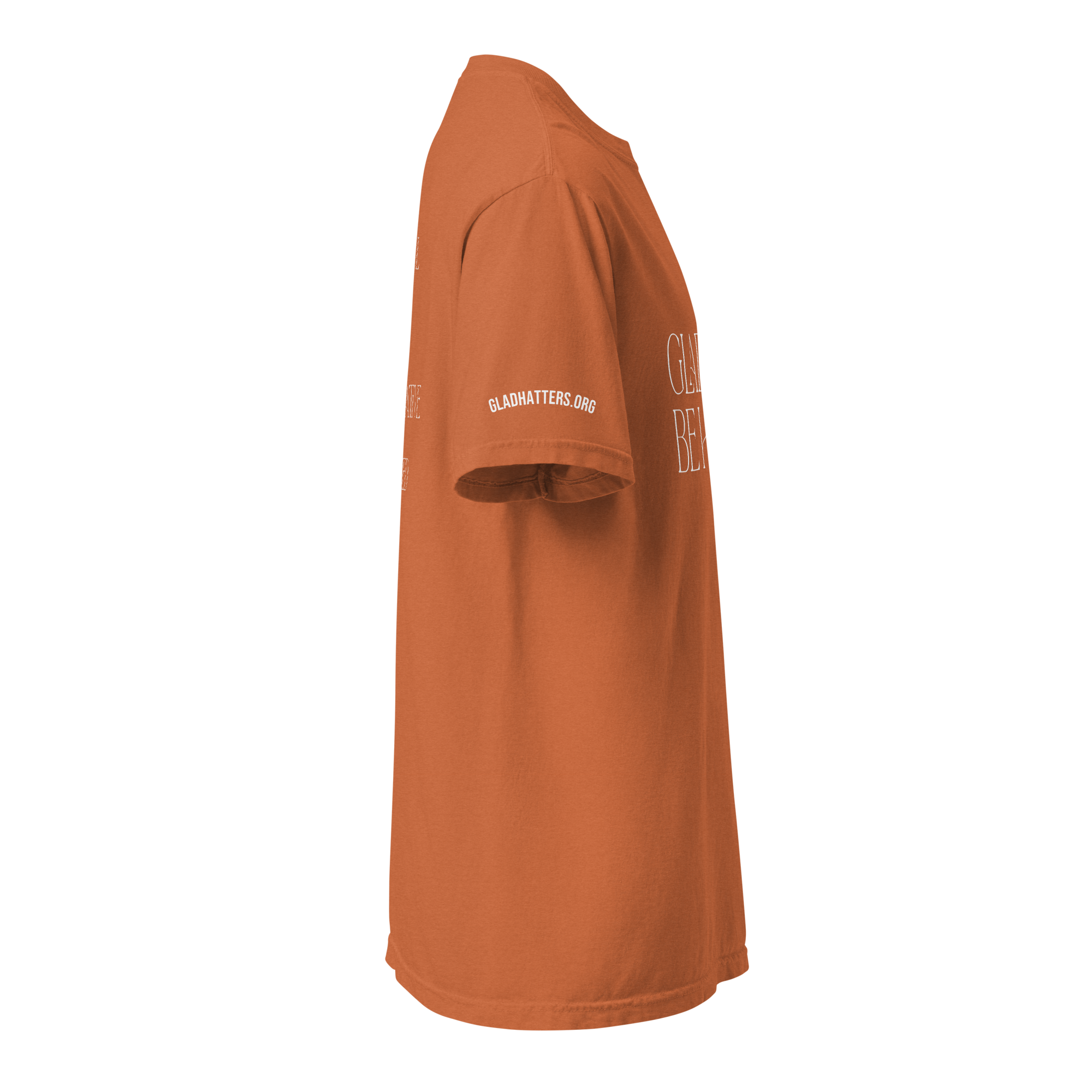
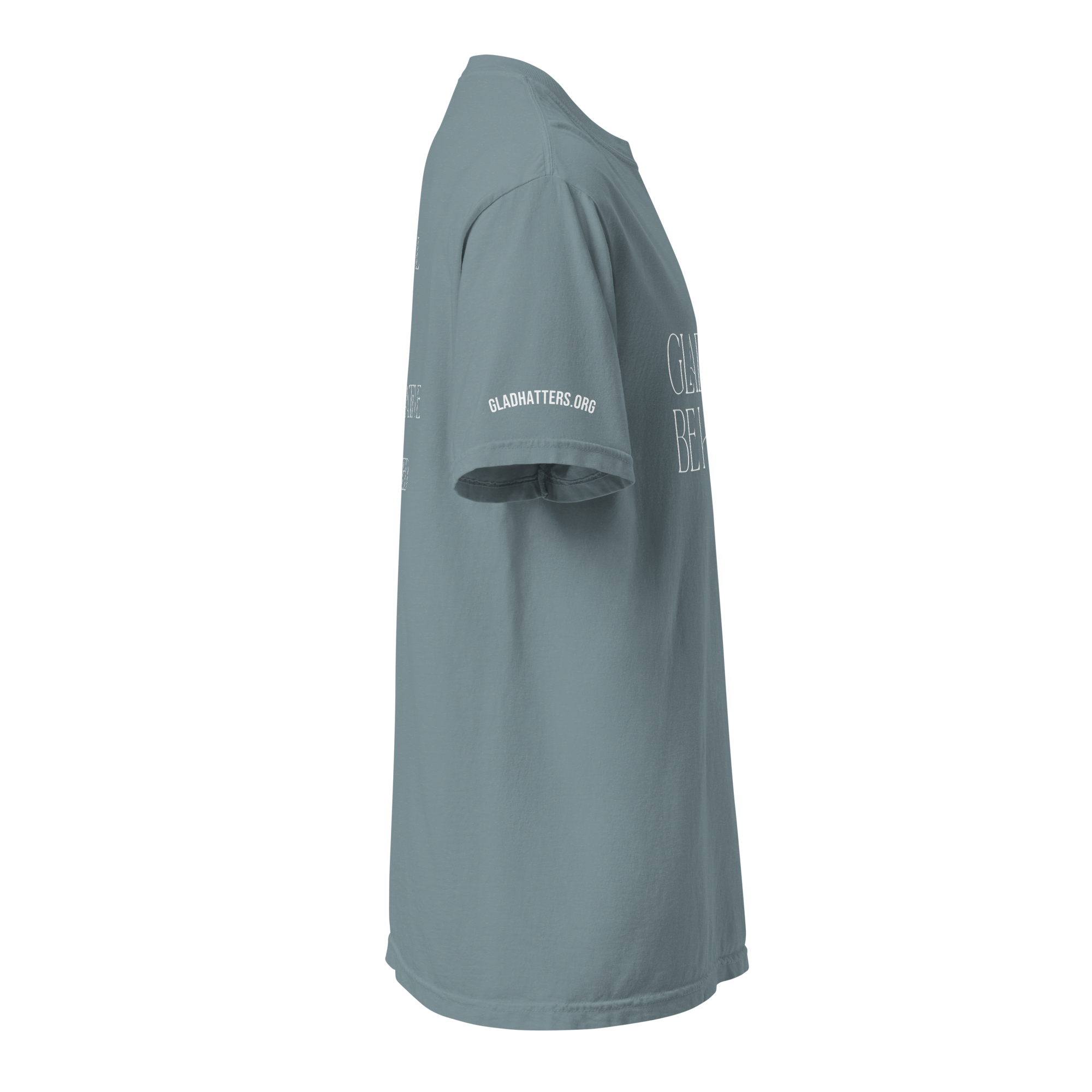
We live in an age of rage, but that's by no means all of who we are. Sure, our hopes and expectations often fall short of reality, sometimes painfully so. But day to day, under often challenging circumstances, most of us treat each other with an admirable measure of respect and consideration. We're not just Mad Hatters, we're Gladhatters. Gladhatters.org offers a wide range of appreciative apparel, from classic, comfortable baseball caps and t-shirts to cozy sweatshirts and hoodies. All communicate heartfelt appreciation for one another and life's everyday miracles.
Wear ‘em and share ‘em. High spirits for hard times.